
Privacy Isn’t Indecency
Separating context from condemnation
I’ve been thinking about how easily we confuse privacy with indecency.
Most people treat them like they’re the same thing.
They aren’t.
Privacy is about setting.
Indecency is about moral judgment.
Somewhere along the way, we fused the two. And once they fused, it became hard to separate “this isn’t the right place” from “this is wrong.”
I’m not anti-context. Shared spaces require awareness. Families, schools, public environments. They run on cooperation.
But context isn’t the same thing as condemnation.
And we slide from one into the other without noticing.
The body starts neutral.
Skin doesn’t carry ethics. It carries temperature, sensation, nerves.
Watch small children before correction sets in. There’s no moral panic in their shoulders. No instinctive shame. The body is just part of being alive.
The shift happens later.
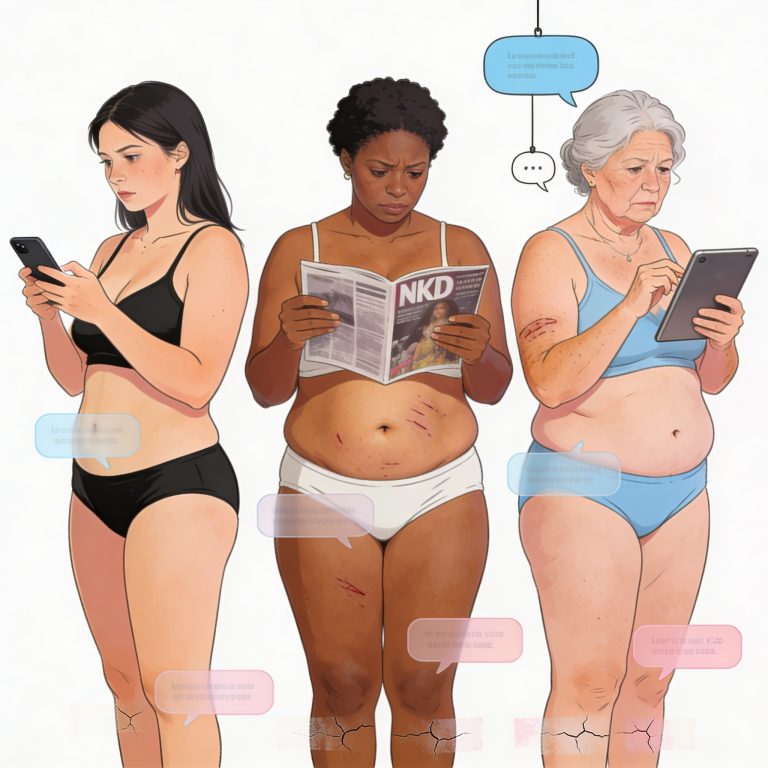
Through repetition. Through tone. Through tiny corrections that stack up over time.
“Cover up.”
“That’s inappropriate.”
“Don’t make people uncomfortable.”
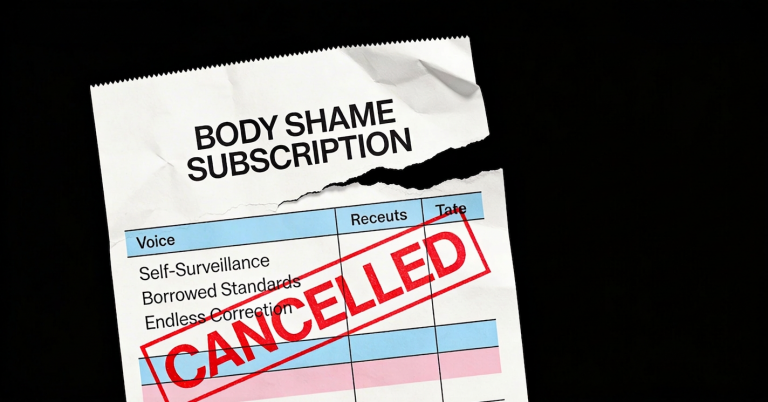
What begins as a lesson about setting slowly becomes a lesson about self.
The issue isn’t context.
It’s condemnation.
Teaching someone when privacy matters is different from teaching them their body is inherently indecent. We rarely separate those lessons.
It doesn’t stop with the body.
We’re trained early to manage the emotional climate of the room. Keep the peace. Avoid awkwardness. Smooth the edges.
And when it comes to visible bodies, the rule becomes automatic.
If someone feels uncomfortable, the visible person must adjust.
But discomfort isn’t the same thing as harm.
Other people’s discomfort is not automatically your responsibility.
That doesn’t erase consent. It doesn’t erase shared space. It doesn’t mean context disappears.
It just means discomfort alone isn’t a moral emergency.
We’ve treated it like one.
I respect privacy. I understand context. I’m not arguing for chaos or disregard.
What I question is the idea that the human body is inherently indecent.
Indecency is about intent. It’s about exploitation. It’s about violation.
Skin is just skin.
A lot of what we call indecent feels more like a conditioned reflex than a moral truth. We feel the reflex and assume it must be righteous.
That’s worth examining.
Tone is where shame gets installed.
“There are kids around. Let’s move somewhere more private.”
That preserves context.
“That’s inappropriate. Cover yourself.”
That installs embarrassment.
The difference is subtle. But subtle is how conditioning works.
We can protect shared spaces without teaching people that their natural state requires apology. It just requires awareness instead of reflex.
I’m not interested in dismantling every norm. Some of them serve us.
But I am interested in separating privacy from shame.
Privacy is about setting.
Indecency is about judgment.
We’ve blurred the two.
And when we do, we end up teaching people that being human needs justification.
The human body does not deserve default moral condemnation.
Not mine. Not yours. Not anyone’s.
If this shifted something you’ve been carrying, keep going.
Free essays every Tuesday.
Deeper work on Fridays.
Subscribe to stay in it.